
How much does toilet replacement cost in North Metro Atlanta? Toilet replacement from JMJ Plumbing typically runs $475 to $750. These are our own completed-job ranges across North Metro Atlanta, not national averages. Your final price depends on the specifics of the job, and we confirm it with you before any work begins.
JMJ Plumbing provides professional toilet repair and replacement services to keep your bathroom functioning reliably and efficiently. Running toilets and weak flushes aren’t just frustrating—they can waste significant amounts of water, increase utility bills, and even cause damage to surrounding flooring if leaks go unnoticed. We repair internal components such as fill valves, flappers, seals, and flush mechanisms, reset loose or leaking toilets, clear clogs, and replace cracked or outdated units when needed. Our goal is a secure installation, a watertight seal, and dependable flushing performance every time.
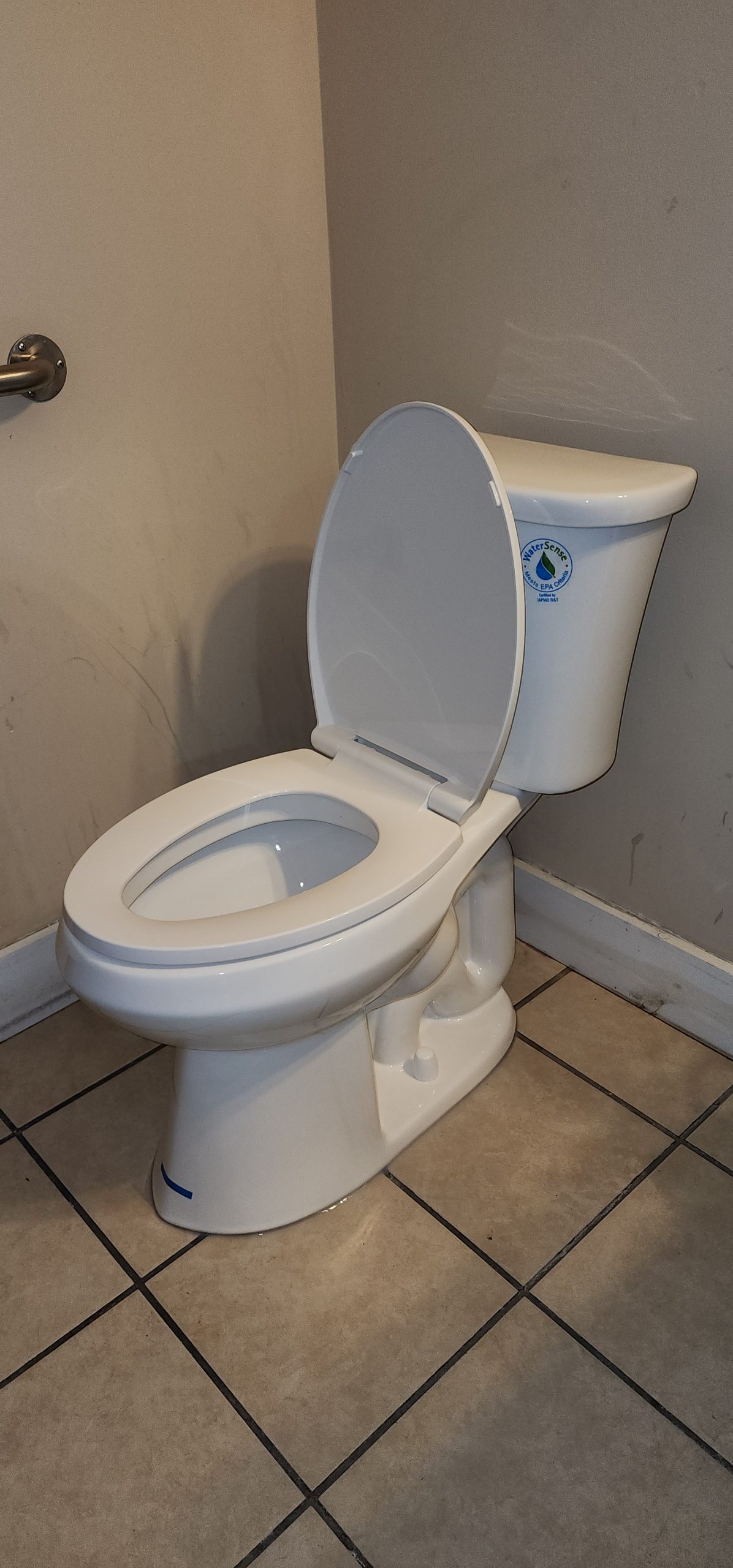
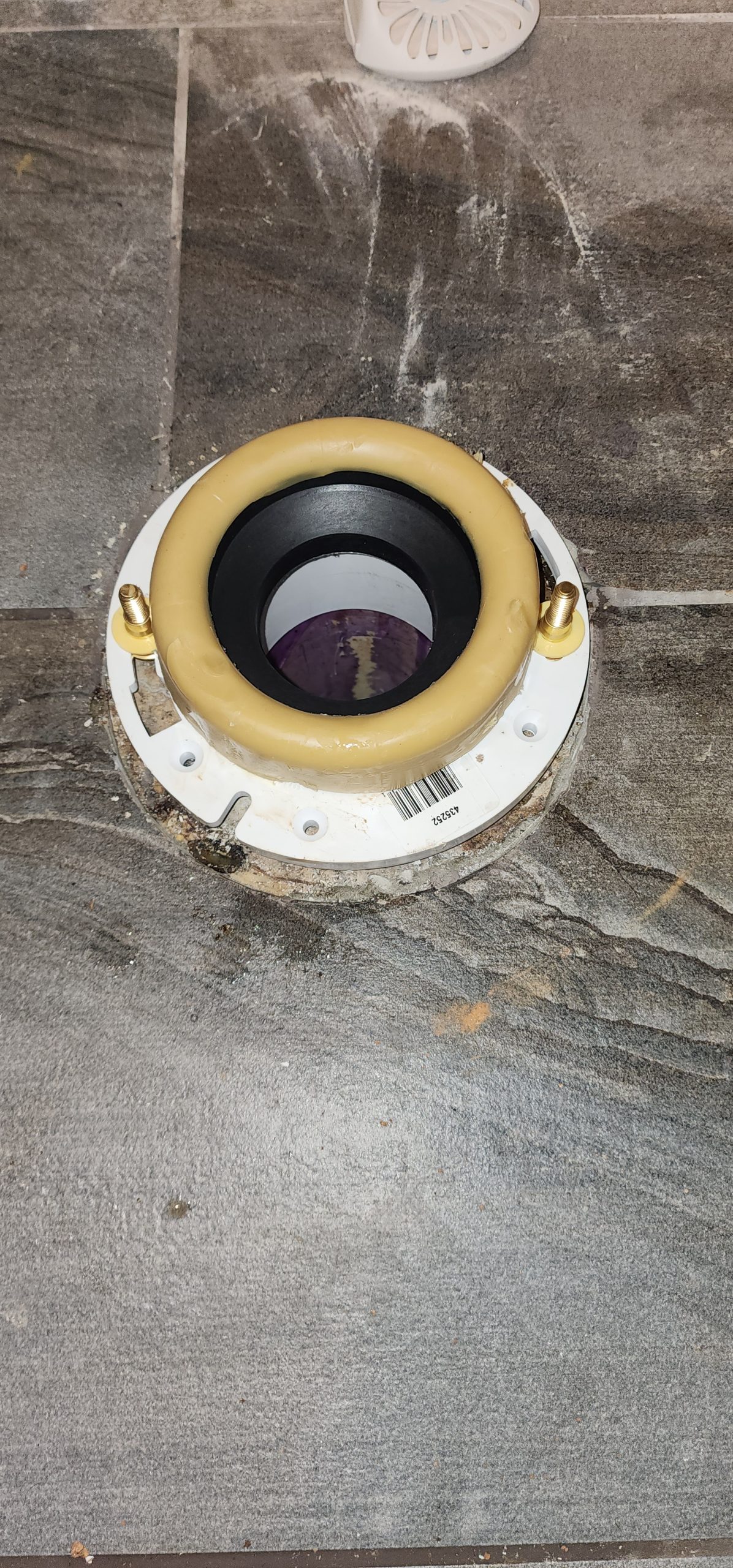
Signs You Need Toilet Repair or Replacement
Most toilet problems announce themselves well before they become a mess. Call a plumber if you notice any of the following:
- The toilet runs constantly or refills on its own — a warped flapper or failing fill valve is letting water seep from the tank into the bowl.
- The toilet rocks when you sit on it — loose closet bolts, an uneven floor, or a cracked closet flange under the fixture.
- Water pooling at the base — the wax ring seal has failed and waste water is reaching the subfloor.
- Weak flush or repeated clogs — scaled-over rim jets, a partial blockage in the drain, or a poorly vented line.
- A stain or soft spot on the ceiling below an upstairs bath — a leak at the flange or supply connection has been running for a while.
- A visible crack in the tank or bowl — porcelain cracks spread, and a bowl can fail suddenly and flood a room.
- Sweating tank or damp floor in summer — condensation from cold supply water, which rots flooring over time if it is not addressed.
Repair or Replace?
The dividing line is simple: hardware and seals are repairs, and damaged porcelain or a failed mounting surface is usually a replacement. A toilet with a good bowl and a bad fill valve is a quick fix. A toilet that has cracked, that sits on a broken flange, or that has never flushed well since the day it was installed is worth replacing instead of chasing.
| Situation | Usual recommendation |
|---|---|
| Running, phantom flushing, slow fill | Repair — rebuild the tank hardware |
| Leak at the base, toilet rocks | Repair — reset the toilet, new wax ring, inspect and repair the flange |
| Loose or leaking supply line or stop valve | Repair — replace the stop and connector |
| Cracked tank or bowl | Replace — porcelain cannot be reliably patched |
| Chronically weak flush on an early low-flow model | Replace — modern designs flush better on less water |
| Obsolete model with no available parts | Replace |
Our Toilet Repair Process
- Diagnose the actual fault — we test the flush and refill cycle, check the flapper and fill valve, look at the flange and floor, and confirm whether the drain itself is contributing.
- Give you the options — we explain what can be repaired, what should be replaced, and why, before any work starts.
- Repair or remove — we rebuild the internal hardware, or shut off the supply, drain the fixture and lift the toilet.
- Inspect the flange and subfloor — with the toilet off we check the closet flange, bolts and floor for rot or damage and repair what we find.
- Set and seal — we set the fixture on a fresh seal, secure it level and solid with new bolts, connect a new supply line, and finish it properly.
- Test and clean up — several full flush cycles, a check for movement and leaks at every joint, and the old fixture hauled away.
Toilet Repair Across North Metro Atlanta
JMJ Plumbing has repaired and replaced toilets for North Metro Atlanta families since 1996, working in Acworth, Alpharetta, Canton, Cumming, Dunwoody, Hickory Flat, Holly Springs, Johns Creek, Kennesaw, Marietta, Milton, Roswell, Sandy Springs, Smyrna, and Woodstock. When a toilet is the symptom rather than the cause, we follow it further: repeat backups usually call for drain cleaning and toilet clog service, and a line that keeps blocking in the same place is worth a sewer camera inspection before more money goes into fixtures. We handle faucet repair and replacement on the same visit when you are updating a bathroom.
Toilet Repair FAQs
Why does my toilet keep running?
A toilet that runs continuously almost always has a bad flapper or a fill valve that will not shut off. The flapper is the rubber seal at the bottom of the tank; when it warps or the seat gets mineral-scaled, water seeps into the bowl and the fill valve keeps topping the tank off. Both parts are inexpensive and quick to replace.
How long does a toilet last?
The porcelain fixture itself can last decades, but the working parts do not. Flappers, fill valves and flush valves generally need replacing every few years, and wax rings last until the toilet is pulled or starts rocking. Most replacements happen because the owner wants better flush performance, water efficiency or a comfort-height bowl, not because the china failed.
Why is water leaking around the base of my toilet?
Water at the base usually means the wax ring seal between the toilet and the closet flange has failed, often because the toilet rocks or the closet bolts loosened. Less commonly it is condensation dripping off the tank, or a cracked bowl. A failed wax ring leaks contaminated water into the subfloor, so it should be resealed promptly.
Is it worth repairing an old toilet or should I replace it?
Repair when the fixture is sound and the problem is internal hardware, mounting or the wax seal. Replace when the bowl or tank is cracked, when the flange or subfloor has rotted, when parts are no longer available for an old model, or when the toilet clogs repeatedly because of a weak first-generation low-flow design.
Why does my toilet clog so often?
Frequent clogging usually points past the toilet itself. Common causes are mineral buildup blocking the rim jets so the bowl never gets a full flush, a partial blockage further down the branch or main line, a poorly vented drain, or a toilet design with weak flush performance. A camera inspection settles which one you are dealing with.
How long does it take to install a new toilet?
A straightforward swap of an existing toilet typically takes one to two hours, including removing the old fixture, setting a new wax ring and installing and testing the new one. It takes longer if the closet flange is broken or set below finished floor level, if the subfloor is damaged, or if the supply stop valve also needs replacing.
What is a wax ring and how often does it need replacing?
A wax ring is the soft seal between the bottom of the toilet and the closet flange in the floor. It blocks water and sewer gas from escaping at the connection. It is not on a maintenance schedule, but a new one is installed every single time the toilet is removed, and any time the toilet rocks or leaks at its base.
Why does my toilet rock back and forth?
Rocking means the toilet is not sitting solidly on the floor. Usually the closet bolts have loosened, the floor is uneven, or the closet flange underneath has cracked or corroded. Rocking breaks the wax seal and lets water get into the subfloor, so it should not be shimmed and ignored — the flange needs to be inspected.
A running toilet wastes water constantly, and a leaking one damages the floor underneath it. Book toilet repair or replacement online or call JMJ Plumbing at (770) 966-9654. We have served North Metro Atlanta since 1996 and offer 24/7 emergency service, with financing available through GreenSky.