
JMJ Plumbing provides commercial water heater repair and replacement services to keep your business supplied with reliable hot water. Hot water is mission-critical for food service establishments, healthcare facilities, and buildings with high restroom demand. We diagnose performance issues, repair existing equipment when practical, or replace failing units with properly sized commercial water heaters designed to meet your facility’s needs. Our installations include correct shutoffs, expansion control, gas or electric provisions, venting, and temperature settings to ensure safe and efficient operation. The result is dependable hot water recovery, improved system performance, and fewer disruptive “no hot water” emergencies.
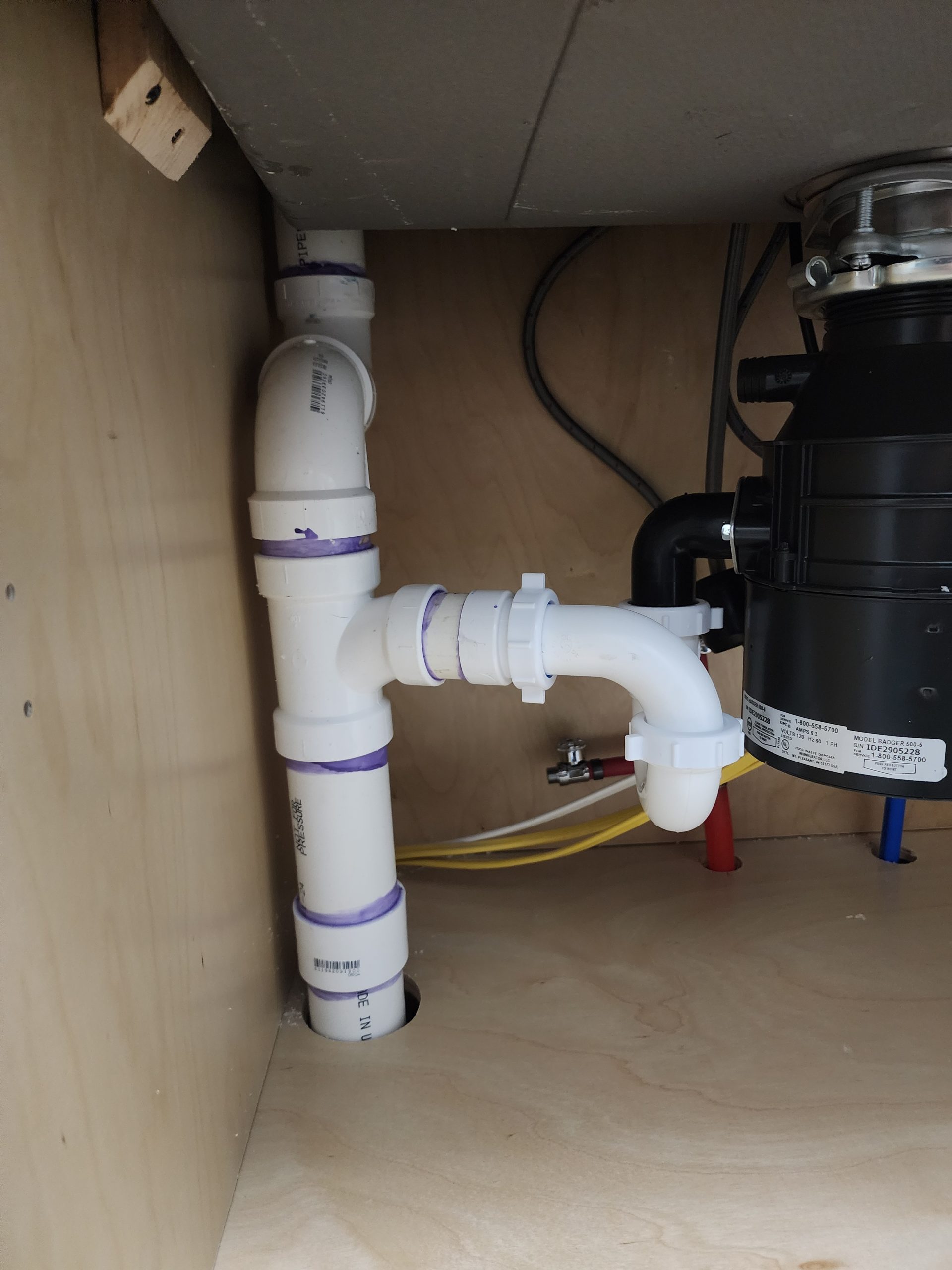
Signs You Need Garbage Disposal Repair or Replacement
Your kitchen garbage disposal is the small grinding unit mounted under the sink drain, and it takes more abuse than any other appliance in the kitchen. These are the signs it needs service or replacement.
- The unit hums but the grinding plate does not turn — something is jammed against the impellers or the motor is seized; leaving it in that state with the switch on can burn out the motor.
- Nothing happens at all when you flip the switch — the internal overload has tripped and needs a reset, or the unit has lost power at the outlet, the switch, or the motor itself.
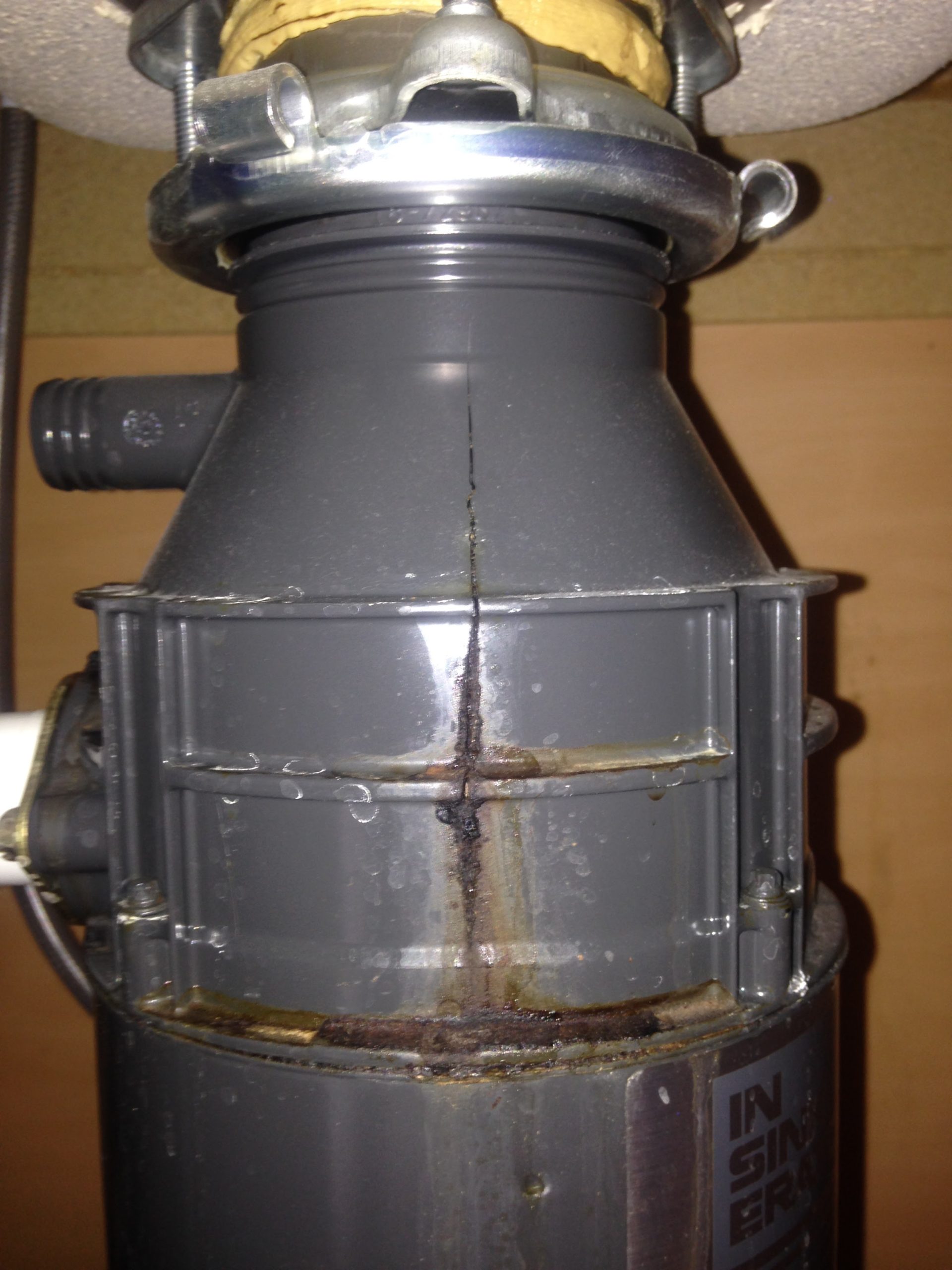
- Water drips from the bottom of the disposal — the internal seal has failed and water is getting into the motor housing, which is not repairable and means the unit needs replacing.
- Water seeps around the sink flange or the dishwasher hose connection — the mounting gasket, the flange putty, or the drain connection has failed and can be corrected without replacing the disposal.
- The disposal is loud, rattles, or vibrates hard — either a foreign object is loose inside the grinding chamber or the mounting assembly and internal components have worn.
- The sink drains slowly whenever the disposal runs — ground food waste has built up in the trap or the branch drain below the unit and is restricting flow.
- A persistent smell you cannot rinse away — food residue is packed under the splash guard and around the grinding chamber, and it will keep coming back until the unit is properly cleaned or replaced.
Repair or Replace a Garbage Disposal?
Some disposal problems are easy fixes and some are the end of the road, and the difference usually comes down to where the water is coming from and whether the motor still runs. Jams, tripped overload resets, and leaks at the sink flange or the drain connection are repairs. A unit leaking from the bottom of the housing is not; that means the internal seal that keeps water out of the motor has failed, and there is no economical repair for it.
| Symptom | Usual cause | Typical outcome |
|---|---|---|
| Hums, will not spin | Jammed impeller from a bone, a utensil, or fibrous waste | Repairable — clear the jam and reset |
| Dead, no sound | Tripped overload, failed switch, or dead motor | Repairable if electrical; replace if the motor is gone |
| Leaking at the sink flange | Failed mounting gasket or dried-out putty seal | Repairable — reseat and reseal the flange |
| Leaking from the bottom housing | Failed internal motor seal | Replace the unit |
| Loud grinding or heavy vibration | Foreign object, or worn impellers and bearings | Repairable if it is an object; replace if worn out |
| Rust-colored water or visible corrosion inside | Grinding chamber has corroded through | Replace the unit |
When replacement is the answer, a few choices matter. Motor size, rated in horsepower, determines how well the unit handles tough waste; larger households and heavier cooking justify stepping up from the smallest models, which jam most easily. Grinding components made of stainless steel resist corrosion better than galvanized ones, which is worth considering with the harder water found in parts of Cherokee and Cobb County. Continuous feed units run while you feed waste in; batch feed units only run with the stopper in place, which is safer in homes with young children. Sound insulation makes a noticeable difference in an open kitchen. If your home is on a septic system, check with your septic professional before adding or upsizing a disposal, since it increases the solids load on the tank.
Regardless of the model, what kills disposals is what goes into them. Grease and cooking oil congeal in the drain below the unit. Fibrous items like celery, corn husks, and onion skins wrap around the impellers. Starchy waste such as pasta, rice, and potato peels turns to paste. Bones, fruit pits, and anything non-food should never go in. Running cold water before, during, and for a few seconds after grinding is the simplest habit that extends a disposal’s life.
Our Garbage Disposal Service Process
- Diagnose before we touch anything — we check power at the outlet and switch, test the overload reset, and determine whether the motor turns freely, so we know whether you have an electrical problem, a jam, or a failed unit.
- Find the exact leak source — if the unit is leaking, we identify whether the water is coming from the sink flange, the dishwasher inlet, the discharge tube, or the bottom of the motor housing, because only the last one means the disposal is finished.
- Clear jams and check the drain — jams are cleared from the grinding chamber, and we verify that the trap and branch drain below the unit are flowing freely rather than treating a clogged drain as a disposal failure.
- Give you a straight repair-or-replace recommendation — if a repair will hold, we make it. If the motor or housing is done, we tell you and go over the replacement options that suit your kitchen and how you cook.
- Install and connect properly — on a replacement we remove the old unit, reseal the sink flange, align the discharge to the trap without stress on the fittings, connect the dishwasher drain, and clear the knockout plug when one is required.
- Test under real conditions — we run the disposal with water flowing, check every connection for leaks, run the dishwasher drain cycle where it is tied in, and confirm the sink drains at full speed.
Garbage Disposal Service Across North Metro Atlanta
JMJ Plumbing has been repairing, replacing, and installing kitchen garbage disposals across North Metro Atlanta since 1996, in everything from starter homes to full kitchen remodels. We serve Acworth, Alpharetta, Canton, Cumming, Dunwoody, Hickory Flat, Holly Springs, Johns Creek, Kennesaw, Marietta, Milton, Roswell, Sandy Springs, Smyrna, and Woodstock. Because a disposal shares the drain with the rest of your kitchen sink, what looks like a disposal failure is often a clogged line, which is why we check drain cleaning and clog removal as part of the diagnosis. We also handle kitchen faucet repair and replacement on the same visit, and if a disposal leak has been running under the cabinet, our emergency plumbing team is available 24/7.
Garbage Disposal FAQs
Why does my garbage disposal hum but not spin?
A hum with no rotation means the motor has power but the grinding plate is jammed, usually by a bone, a utensil, or fibrous food wrapped around the impellers. Turn the switch off before doing anything else, since running it jammed can burn out the motor. Once the obstruction is removed and the reset is pressed, most units run normally again.
How long does a garbage disposal last?
Most residential garbage disposals last about eight to fifteen years, with heavier use and cheaper models at the short end of that range. Hard water and frequent jams shorten it. When a disposal that is a decade old starts leaking from the bottom housing or tripping its reset regularly, replacement is almost always the better value than repair.
What should you never put down a garbage disposal?
Grease and cooking oil top the list, because they congeal in the drain below the unit rather than in it. Also avoid fibrous items like celery and corn husks that wrap the impellers, starchy waste like pasta, rice, and potato peels that turn to paste, plus bones, fruit pits, and anything that is not food.
Why does my garbage disposal smell bad?
Odor comes from food residue trapped under the rubber splash guard and around the upper rim of the grinding chamber, where water never reaches during normal use. Scrubbing the underside of the splash guard usually solves it. Grinding ice with a little citrus peel helps, and running cold water longer after each use keeps residue from settling.
Can a leaking garbage disposal be repaired?
It depends entirely on where it leaks. Leaks at the sink flange, the dishwasher hose connection, or the discharge tube are repairable by reseating and resealing those connections. A leak from the bottom of the motor housing means the internal seal has failed and water is reaching the motor, and that unit needs to be replaced rather than repaired.
Why does water back up into my sink when the disposal runs?
That is a drain problem, not a disposal problem. Ground food waste combined with grease builds up in the trap or the branch line below the unit and restricts flow, so water backs up when the disposal pushes waste into it. Clearing the drain line fixes it. A disposal in good condition will not cause a backup by itself.
Do I need a more powerful garbage disposal?
If yours jams frequently under normal use, yes, a larger motor is worth it. The smallest units struggle with the volume a busy kitchen produces. Households that cook often, run a lot of vegetable scraps, or have several people using the kitchen daily generally do better with a mid-range or larger unit with stainless steel grinding components.
Can I use a garbage disposal with a septic system?
You can, but it increases the solids load going into your tank, which typically means pumping more often. Some septic professionals recommend against adding one, and local rules occasionally address it. If your home is on septic, check with the professional who services your system before installing or upsizing a disposal, and grind less waste overall.
Jammed, leaking, or ready to replace it? Book garbage disposal service or call JMJ Plumbing at (770) 966-9654. Serving North Metro Atlanta since 1996, with 24/7 emergency service when a leak under the sink cannot wait.