Expert Fixes for No Hot Water or Pressure
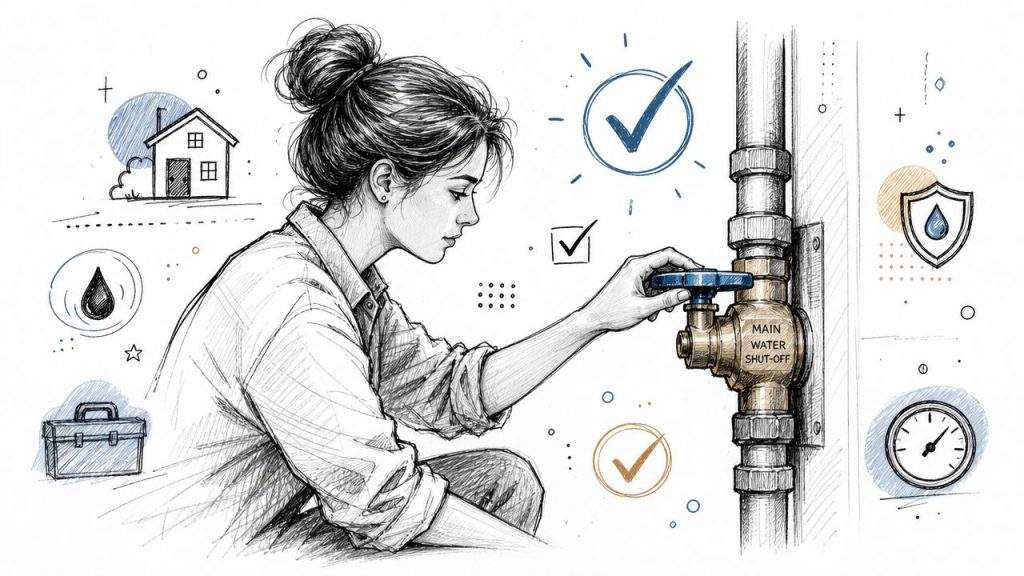
You turn on the shower, wait for hot water, and get a weak stream or nothing useful at all. That's the kind of plumbing problem that gets stressful fast, especially when you're trying to get kids ready, open the house for the day, or figure out if you need an emergency plumber in Acworth, Woodstock, or Marietta.
The hard part is that no hot water or pressure can mean one problem or two different problems showing up at the same time. A water heater issue behaves one way. A whole-house supply problem behaves another way. If you sort those out early, you avoid wasted time, bad guesses, and unnecessary part swaps.
Start Here Immediate Checks for Your Water Supply
Start with the house, not the water heater. That's the safest way to narrow this down.
If you have no hot water and weak pressure, first find out whether the issue is at one fixture or throughout the home. Turn on a kitchen faucet, a bathroom sink, and a tub spout. Check both hot and cold sides. If one faucet is acting up, that usually points to a local restriction like an aerator, cartridge, stop valve, or fixture connection. If several fixtures are weak, you're looking at a supply-side issue, a pressure problem, or a larger plumbing fault.
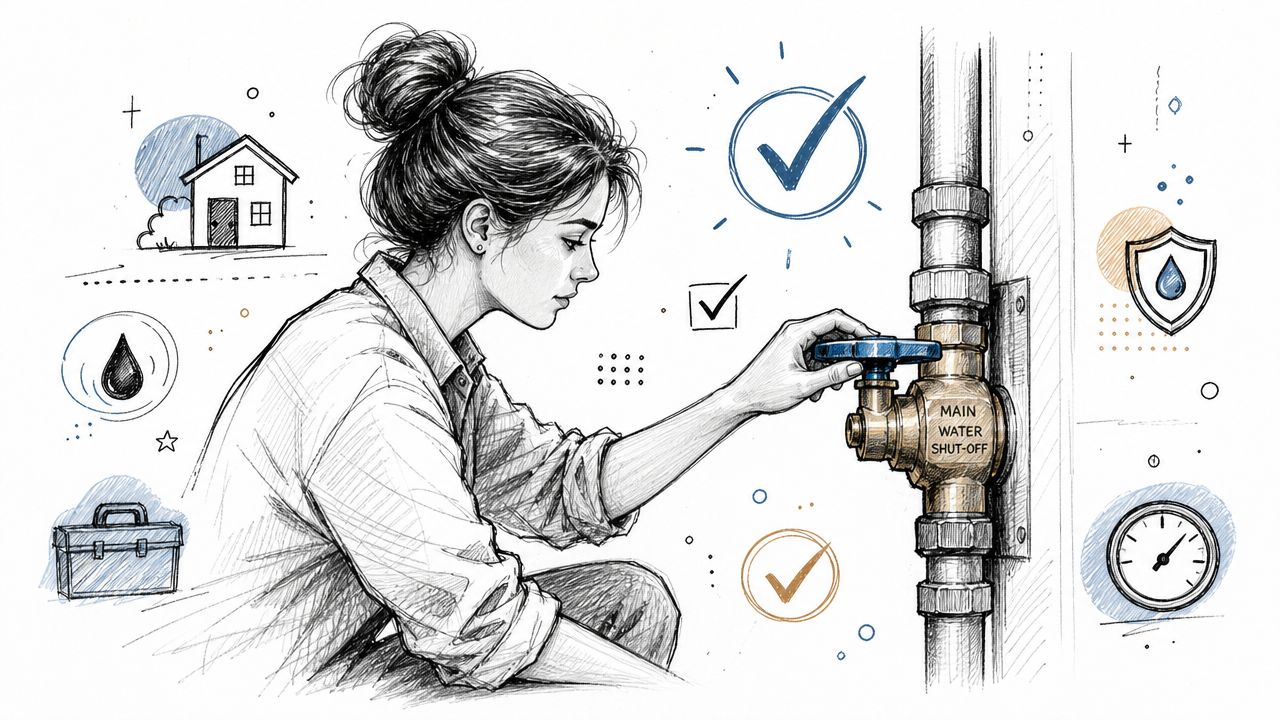
Check the simplest things first
A structured troubleshooting process works better than guesswork. CompTIA's troubleshooting method recommends identifying the problem, building a likely cause, testing it, then verifying the fix. In plumbing, that means checking power, main valves, and visible leaks first before moving into deeper diagnosis, as noted in this step-by-step no hot water troubleshooting guide.
Use this quick sequence:
-
Confirm whether cold water pressure is normal
If cold pressure is also low, don't start by blaming the heater. -
Check the main shutoff valve
Make sure it's fully open. A partially closed valve can reduce pressure house-wide. -
Look outside for obvious leak signs
Soft ground, unexplained wet spots, or water in yard can point to a main water line leak. -
Listen for running water
If all fixtures are off and you still hear water moving, that's a warning sign.
Practical rule: If pressure dropped suddenly throughout the house, think valve, leak, or pressure control problem before you think heater failure.
What you can inspect safely
Homeowners can usually check a few visible items without risk:
- Fixture stop valves: Under sinks and behind toilets, make sure they're fully open.
- Aerators and showerheads: Mineral buildup can choke flow at the outlet.
- Around the water heater: Look for puddling, rust marks, or active dripping.
- Yard and foundation edges: Fresh wet areas matter, especially if no rain explains them.
If you smell gas, see active leaking, or have no usable water in the house, stop there and call for service. That's no longer basic troubleshooting. That's a safety issue.
Troubleshooting No Hot Water When Pressure Is Fine
If pressure looks normal on the cold side and at the fixtures, shift your attention to the water heater. Many homeowners in Canton, Roswell, and Woodstock often lose time at this stage. They assume the whole system failed, when the actual issue is power, gas, thermostat setting, or buildup inside the heater.
The right approach is simple. Check supply and settings before you think about replacing parts.

Safe checks for electric and gas units
For an electric heater:
- Breaker first: If it's tripped, reset it once. If it trips again, stop there.
- Access panels stay closed unless you know what you're doing: Live electrical testing isn't a homeowner job.
- Check the thermostat setting: A common operating target is around 120°F, with service references commonly placing normal settings in a broader 122°F to 140°F range, as outlined in this water heater troubleshooting reference.
For a gas heater:
- Confirm gas service is on
- Check the pilot or ignition status
- Look for obvious venting or combustion issues
- Don't relight or disassemble anything if you smell gas
If you want a good homeowner-level overview of safe gas water heater maintenance, that's worth reviewing before you touch anything beyond the control settings.
When sediment changes the diagnosis
A lot of no-hot-water calls aren't caused by a dead heater. They're caused by sediment buildup.
When weak pressure affects only hot fixtures, a plumbing industry source notes that sediment buildup in the water heater is the most likely cause, and that buildup can physically restrict flow, not just reduce heating performance. That's why tank flushing shows up so often as a first diagnostic step in this hot water pressure troubleshooting article.
That matters in real houses. In older systems, I've seen homeowners assume they need a full water heater replacement when the tank was still producing heat, but sediment had reduced output so badly that the hot side felt almost dead.
If the cold side is strong and the hot side is weak or cold, the heater may still be firing. It may just not be delivering water properly.
Repair or replacement
A repair makes sense when the issue is isolated to a reset, thermostat setting, element, pilot, igniter, or maintenance problem. Replacement becomes the better move when the tank is leaking, heavily scaled, or failing in multiple ways at once.
If you need a clear picture of local service options, water heater repair and replacement is the category to look at, especially when you're comparing whether a fix is still practical or the unit is at the end of its useful life.
How to Address Low Water Pressure System-Wide
Low pressure across both hot and cold fixtures usually points away from the water heater. That's the big distinction.
Start by asking one question. Is the weak flow limited to one faucet or shower, or is it happening at sinks, tubs, and toilets throughout the house? A single bad fixture is usually a local clog. A house-wide drop is a system problem.
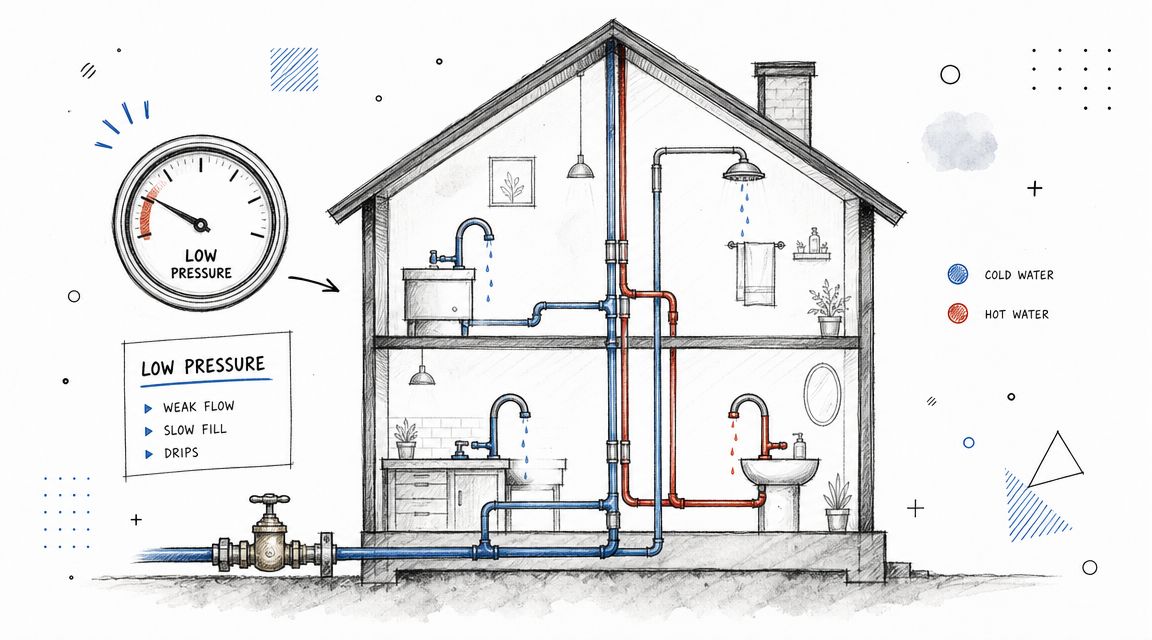
Local restrictions versus house-wide pressure loss
Use this quick comparison:
| Area affected | Likely issue | What you can do |
|---|---|---|
| One faucet only | Clogged aerator or cartridge | Clean aerator and retest |
| One shower only | Scale in showerhead or valve issue | Remove and clean showerhead |
| One bathroom only | Local stop valve partly closed | Check accessible shutoffs |
| Whole house | Main valve, pressure regulator, supply restriction, leak | Move to system diagnosis |
Cleaning aerators and showerheads is worth doing because scale and debris collect there first. If that doesn't change anything, stop working fixture by fixture and think bigger.
Watch for a failing pressure reducing valve
A pressure reducing valve, often called a PRV, controls incoming water pressure to the home. When it starts failing, pressure can drop throughout the house, fluctuate, or feel weak during normal use.
A PRV problem often gets mistaken for a water heater problem because the shower feels disappointing on the hot side. But the cold side tells the truth. If cold pressure is weak too, the heater probably isn't the main culprit.
For homeowners trying to understand that component better, PRV water pressure service information gives a clear picture of what that valve does and when it becomes the bottleneck.
Low pressure at every fixture is not a faucet problem. It's a system problem until proven otherwise.
Don't ignore supply-side clues
If pressure is weak all day, not just at one shower, check the obvious external clues:
- Main shutoff not fully open
- Visible leak signs near the house
- Unusual wet spots in the yard
- Recent utility work nearby
- Pressure drop on both hot and cold sides
Those signs point toward a supply issue, a main water line problem, or a failed pressure control device. At that point, testing pressure accurately takes gauges and experience. Guessing gets expensive.
What It Means When Both Problems Happen at Once
The diagnosis gets tricky. When a home has no hot water or pressure at the same time, homeowners often focus on the heater because that's the appliance they can see. But this combination is often a warning that the heater is only part of the story, or not the story at all.
A homeowner guide on this exact issue notes that when homes have both no hot water and low pressure, people often blame the heater, but a utility-side or whole-house pressure problem can be the main cause. It also points out that a key diagnostic step is comparing inlet pressure, fixture flow, and heater output, because a failing pressure-reducing valve can mimic a heater failure in this analysis of low hot water pressure diagnosis.
One fault or two separate faults
Here's how I break it down in the field:
-
Hot water gone, cold pressure still normal
That usually stays in the water-heater lane. -
Hot and cold both weak
That points toward supply restriction, PRV trouble, or a major leak. -
Hot side weak, cold side strong
Think sediment, scale, connector restriction, or a hot-side valve issue. -
Pressure falls only when demand rises
That can mean a marginal regulator, restricted line, or hidden bottleneck.
The main water line question
If you have weak pressure throughout the house and signs like unexplained moisture outside, water in the yard, or a sudden pressure drop, you have to consider the service line. A damaged or leaking line can reduce usable pressure enough that the water heater gets blamed when the underlying problem starts before water ever reaches it.
That's when a plumber moves from fixture checks to isolation testing. The work may involve comparing fixture behavior, checking pressure before and after control components, and determining whether the issue lives at the heater, the house, or the incoming line. If that diagnosis points to the supply side, water line repair and replacement is the service category that fits.
When both symptoms show up together, don't assume you need a water heater replacement. You may have a pressure problem that's starving the whole house.
That distinction matters in Alpharetta, Roswell, and anywhere else in North Metro Atlanta, because the fix for a heater problem is very different from the fix for a main water line repair.
When to Call a 24 Hour Plumber Immediately
Some plumbing problems can wait until morning. Others shouldn't.
Major municipalities treat these issues seriously. New York City's 311 system classifies “no hot water” and “low water pressure” as reportable emergencies affecting habitability, and the city notes that emergency response access is available 24 hours a day, 7 days a week for public housing support in its emergency hot water and pressure guidance. That tells you how quickly hot water loss and severe pressure failure can affect sanitation and daily living.
Call right away for these symptoms
If any of these are happening, stop troubleshooting and call a 24 hour plumber:
- No water at all in the house: That can signal a shutoff issue, major leak, or supply failure.
- Visible active leak: Water at the heater, in a wall, at the ceiling, or near the main line needs fast control.
- Water in yard with indoor pressure loss: That often points to a buried line problem.
- Gas smell near the water heater: Leave the area and call for the proper emergency response.
- Sewage smell or backup at the same time as pressure issues: That may be a separate drain or sewer emergency that shouldn't be ignored. If drainage symptoms are part of the problem, homeowners can also discover their full range of drainage offerings to understand the kinds of drain and sewer services that may be involved.
DIY Checks vs. Professional Diagnostics
| Symptom / Check | Your DIY Action | JMJ Plumbing Professional Service |
|---|---|---|
| One faucet has weak flow | Clean aerator, check stop valve | Diagnose fixture valve, cartridge, or local line restriction |
| No hot water but normal pressure | Check breaker, thermostat setting, gas supply status | Test elements, controls, ignition, venting, and tank condition |
| Hot and cold both have low pressure | Verify main valve is open, look for leaks or yard saturation | Test pressure, inspect PRV, isolate line restriction or supply fault |
| Water heater leaking | Shut off water if safe | Locate failure point and determine repair versus replacement |
| Burst pipe or wet drywall | Shut off main water | Perform leak location and burst pipe repair |
| Sewer smell, backup, slow drains with other plumbing issues | Stop using affected fixtures | Inspect drainage and sewer conditions, clear blockages, plan sewer repair if needed |
If you're searching for an emergency plumber in Cumming, a 24 hour plumber in Johns Creek, or fast help anywhere around Acworth, Marietta, Canton, or Roswell, this is the point where speed matters more than one more DIY attempt.
What usually doesn't work
Homeowners lose time on the same dead ends:
- Resetting breakers repeatedly
- Turning heater controls up without diagnosis
- Replacing a showerhead when the whole house is weak
- Assuming a clogged toilet, slow drains, and pressure loss are one single issue
- Waiting overnight with an active leak
Those moves don't solve the root cause. They just delay it.
Keeping Your Water Hot and Pressure Strong
Plumbing systems usually give warning signs before they fail hard. The goal is to catch the small restrictions and maintenance issues before they become an emergency call for no hot water or pressure.
A lot of prevention comes down to buildup. In hard-water conditions, low-flow complaints are increasingly tied to scale in small-diameter parts like tankless passages, flex connectors, and fixture cartridges, not just sediment sitting in a tank, according to this maintenance-focused plumbing guide. That's why a system can have a working heater and still deliver weak hot water.
Simple maintenance that pays off
Keep the routine practical:
- Flush the water heater on schedule: Sediment doesn't stay harmless. It insulates heating surfaces and can restrict flow.
- Clean showerheads and faucet aerators: Small mineral deposits add up fast.
- Pay attention to slow drains: Drain trouble doesn't cause low supply pressure, but neglected drainage issues often become separate emergencies at the worst time.
- Watch for changing fixture behavior: If one sink, one tub, or one shower starts acting different, deal with it early.
- Descale components when needed: This matters even more on tankless systems and newer fixtures with tighter internal passages.
Know when maintenance stops being enough
There's a line between upkeep and repair. If pressure keeps dropping after you clean fixtures, if hot water stays weak after basic heater checks, or if you're seeing recurring leaks, the system needs more than routine attention.
That can lead into larger services homeowners often search for under different symptoms, such as leak repair, main water line repair, drain cleaning, sewer backup, sewer repair, or water heater replacement. Those aren't interchangeable jobs. The right one depends on where the restriction or failure is.
A healthy plumbing system should be boring. When water temperature or pressure starts changing, that's your early warning.
Staying ahead of it is easier than dealing with a cold shower, a burst pipe repair, or a clogged toilet that won't flush on a busy weekday morning in Cobb County, Cherokee County, North Fulton, or Forsyth County.
If you're dealing with no hot water or pressure in Acworth, Woodstock, Alpharetta, Canton, Roswell, Marietta, Cumming, Johns Creek, or nearby North Metro Atlanta communities, JMJ Plumbing handles emergency plumbing, water heater service, leak repair, water line work, drain issues, and sewer problems. If the basics didn't solve it, schedule service and get the system diagnosed safely before a small issue turns into a larger repair.