Fix Your Whistling Water Pipe: Causes & Solutions
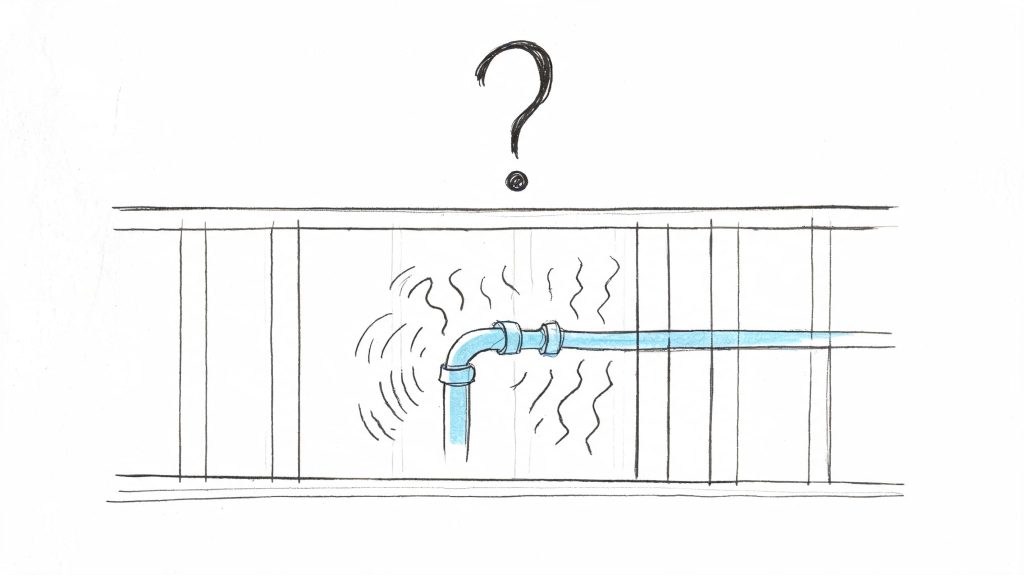
You hear it when someone opens a faucet, flushes a toilet, or the washing machine kicks on. A thin, high-pitched whistle starts somewhere in the wall, under a sink, or near the water heater, and now you’re wondering whether it’s just annoying or the start of a bigger plumbing problem.
A whistling water pipe usually means water is being forced through a tight spot, a worn part, or a section of plumbing under too much strain. In North Metro Atlanta, that often ties back to high pressure, aging valves, mineral buildup, or loose piping in older homes. The noise matters because the same conditions that create the whistle can also wear out fittings, damage fixtures, and turn a small symptom into an emergency call.
Decoding the Whistle Common Causes in Atlanta Homes
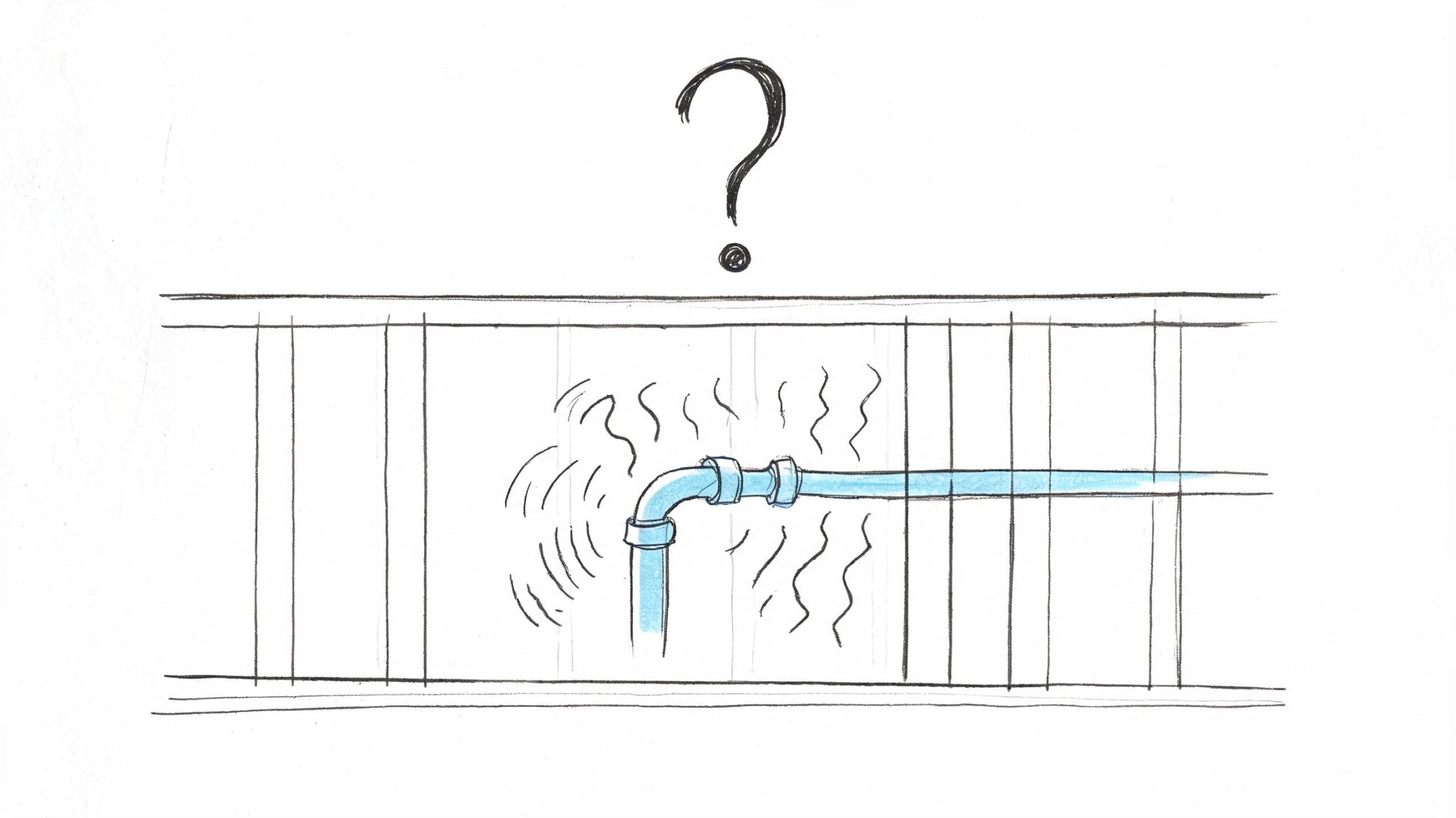
The whistle itself is simple. Water is moving through a passage that’s too restricted, too fast, or vibrating a loose component. Think of air passing through a small opening in a flute. In plumbing, that opening might be inside a faucet, a shutoff valve, a toilet fill valve, or a section of pipe with buildup inside it.
In homes around Woodstock, Marietta, Roswell, and Alpharetta, three causes show up over and over. High pressure, hard water scale, and worn internal parts.
High water pressure is the main suspect
The most common whole-house cause is pressure that’s too high for the system. Building science research found that raising water pressure from 40 psi to 100 psi increased indoor pipe noise by +5 dBA to +9 dBA, and that same research points to high pressure as the primary cause of pipe whistling. It also notes that residential pressure is typically best kept in the 40 to 60 psi range, with a pressure-reducing valve often being the most effective fix, as summarized in this water pipe whistle noise research.
That matters because a lot of homeowners assume louder plumbing means they need bigger pipes. That same research challenged that idea. Going larger with pipe size doesn’t automatically solve the sound problem. Pressure control usually matters more than pipe upsizing.
If your home already has a regulator, it may be failing or out of adjustment. If it doesn’t, the pressure coming from the municipal side may be harder on your plumbing than you realize. If you want to understand how a regulator works and when it needs replacement, this guide to a PRV water pressure service is a useful reference.
Practical rule: If the whistle shows up at several fixtures, think system problem first, not faucet problem.
Hard water quietly narrows the path
North Metro Atlanta homeowners also deal with mineral buildup. Over time, calcium and magnesium leave scale inside valves, supply lines, and fixtures. That buildup reduces the available opening for water flow, which makes the whistle more likely.
The tricky part is that mineral restriction doesn’t always announce itself with one dramatic failure. It often starts with subtle symptoms:
- A sink whistles only on hot water: sediment or scale may be affecting one side of the faucet or stop valve.
- A shower squeals at mid-handle positions: buildup can disrupt flow through the cartridge.
- The whole house sounds sharper than it used to: multiple fixtures may be scaling up at the same time.
When hard water is the root cause, cleaning one aerator may quiet one fixture, but it won’t stop buildup elsewhere. That’s why some homeowners eventually move from repeated spot repairs to whole-home filtration, especially when they’re also dealing with water heater issues, frequent fixture wear, or recurring leak repair.
Small mechanical failures can sound bigger than they are
Not every whistle means a major line problem. Sometimes the source is local and fairly straightforward. Faucet washers wear down. Toilet fill valves get noisy. Angle stops don’t fully open. Shower cartridges age.
For a quick understanding:
| Where you hear it | Likely issue | What it suggests |
|---|---|---|
| At one sink only | Faucet internals or shutoff valve | Usually isolated |
| After toilet refill starts | Fill valve | Common and often intermittent |
| At several fixtures | Pressure or main-side restriction | Whole-house concern |
| Inside a wall | Loose piping, valve issue, or pressure-related vibration | Needs closer inspection |
Older homes deserve extra caution. Indoor plumbing became common much later than many people assume, and many established neighborhoods still have plumbing systems designed for lower-demand, lower-pressure conditions than what they see today, as outlined in this history of plumbing systems in North American buildings.
Safe DIY Diagnostics How to Pinpoint the Noise
Don’t start by taking things apart. Start by isolating the pattern. The best homeowner diagnostics are safe, simple, and observational.
A good description of the sound helps a plumber far more than a guess about the cause. “It whistles for ten seconds after the upstairs toilet flushes” is useful. “The pipes are messed up” isn’t.
Track when the whistle happens
Use the house normally for a day and pay attention to the trigger.
Ask yourself:
- Does it happen on hot, cold, or both?
- Does it start only when a single fixture runs?
- Does it happen during toilet refill, dishwasher fill, or washing machine cycles?
- Does it continue after water shuts off, or stop the second flow stops?
Those answers narrow the field quickly. Hot-only can point toward the water heater side, a hot-side shutoff, or a fixture cartridge. A whistle at one faucet often stays local. A whistle that follows multiple fixtures suggests a broader pressure or supply issue.
Isolate one fixture at a time
Run a simple check through the house. Turn on one faucet, then turn it off. Move to the next. Flush toilets one at a time. If you have an irrigation system or an ice maker feed you can safely observe, note whether those cycles trigger the sound too.
Focus on the first location where the noise is loudest. The sound often travels, so the room where you hear it isn’t always the room where it starts.
A few practical checks:
- Under-sink valves: Make sure they’re fully open. A partially open stop valve can whistle.
- Aerators and showerheads: If one fixture is noisy at the outlet, mineral buildup may be involved.
- Toilet fill valve: Remove the tank lid and flush. If the whistle starts during refill, that valve is a likely source.
- Outdoor hose bibs: If the whistle appears only when these run, the issue may be tied to that branch or valve.
If the sound seems tied to one faucet, this overview of faucet repair and replacement can help you understand the parts that commonly fail.
If you can identify one fixture that consistently creates the sound, you’ve already made the repair process faster and cleaner.
What not to do
Homeowners get into trouble when they jump from observation to invasive repair without enough information.
Avoid these mistakes:
- Don’t open wall cavities because the sound seems nearby. Plumbing noise travels through framing.
- Don’t force old shutoff valves that haven’t been touched in years. They can start leaking.
- Don’t assume drain cleaning will solve it just because the noise is in the kitchen or bath. Whistling usually comes from the pressurized water side, not the drain side.
- Don’t ignore related symptoms like low water pressure, wet drywall, or a sudden change in toilet performance.
That information is also helpful if you end up calling for another issue at the same time, such as leak repair, a water heater check, or even a separate clog problem in Cumming or Roswell. Good diagnostics start with specific observations.
The Hidden Dangers Why Whistling Pipes Are a Warning Sign
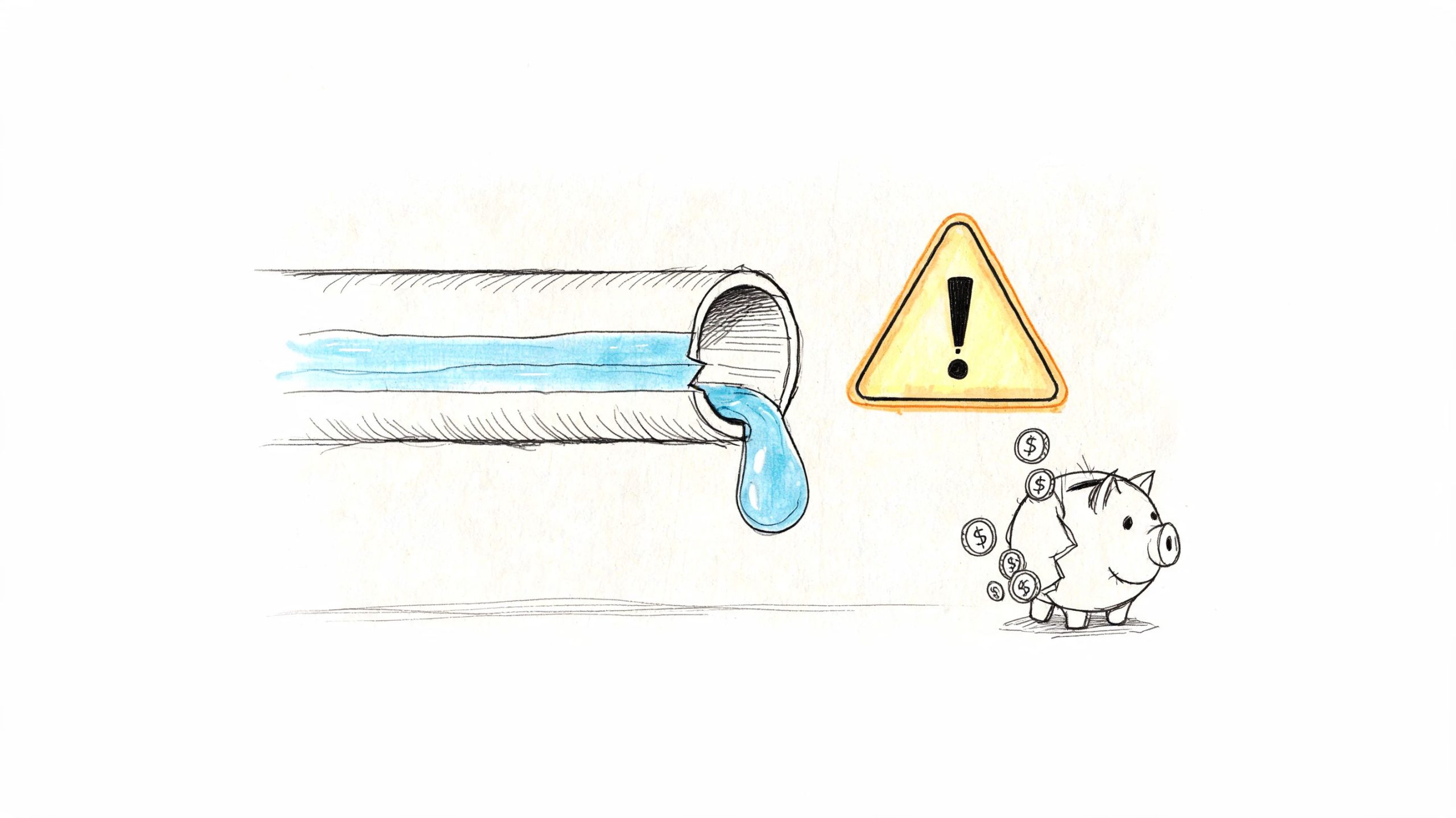
A whistle sounds minor. The risk behind it often isn’t.
When water pressure stays too high or pipes keep vibrating, the strain shows up at joints, valves, supply lines, appliance connections, and older sections of piping first. That’s why a noisy system can turn into hidden leaks, damaged shutoffs, or a burst pipe repair call at the worst time.
Vibration is what makes the symptom dangerous
In older Atlanta-area homes built before 2000, DIY fixes for whistling pipes fail in 40% of cases due to corroded materials, and unaddressed high-pressure vibration contributes to a 30% increase in leaks in unbraced systems. The same source warns that pipe bursts can cost over $5,000 to repair, which is why professional diagnostics matter when noise is paired with aging materials or repeated pressure-related symptoms, according to this guide on banging and whistling water pipes.
That leak risk isn’t always obvious. Pipes can move slightly for a long time before a homeowner sees a stain on drywall or water in the ceiling below. By the time the leak appears, the plumbing issue has usually been active much longer.
Common escalation points include:
- Supply stops under sinks
- Toilet connectors and fill valves
- Washing machine hoses
- Water heater connections
- Main water line transitions into the house
Older homes carry more hidden risk
A lot of homes in Marietta, Acworth, Kennesaw, and surrounding areas were built during periods of rapid suburban growth. Some still have older valves, older copper, mixed-material repairs, or years of scale inside fixtures and branches. That means one loud whistle may be warning you about a plumbing system that’s less forgiving than a newer install.
Here’s where homeowners often misread the situation:
| What you hear | What you assume | What may really be happening |
|---|---|---|
| Brief whistle after flush | “Just the toilet” | Pressure stress on a weak valve or line |
| Noise in one wall | “Probably nothing” | Pipe movement at a strap, elbow, or joint |
| Whistle plus low pressure | “Just a clog” | Restriction, valve failure, or line issue |
| Repeating whistle after repairs | “Bad luck” | Root cause never fixed |
A whistling pipe is often the first warning that the plumbing system is working harder than it should.
If you manage a larger property or just want a broader home care checklist, this comprehensive preventative maintenance guide is worth reviewing. It’s not plumbing-specific, but it does reinforce a good maintenance habit: small warning signs deserve attention before they become structural or emergency problems.
The expensive problems often start with a small sound
A whistling water pipe often prompts high-intent searches from homeowners as the issue worsens. The progression is familiar. First the noise. Then lower pressure at a shower. Then a wet wall, water in the yard, a failing shutoff, or a main water line repair call.
The same system stress can also overlap with other urgent symptoms:
- No hot water: pressure issues and aging valves can expose existing water heater weaknesses
- Sewage smell: not caused by the whistle itself, but a sign you may have more than one plumbing problem happening at once
- Slow drains or a clogged toilet that won’t flush: separate systems, but often discovered during the same episode of “something’s wrong with the plumbing”
When the whistle is new, louder than before, or paired with any performance change, it stops being a nuisance and becomes a warning sign.
When to Call a 24 Hour Plumber in North Metro Atlanta
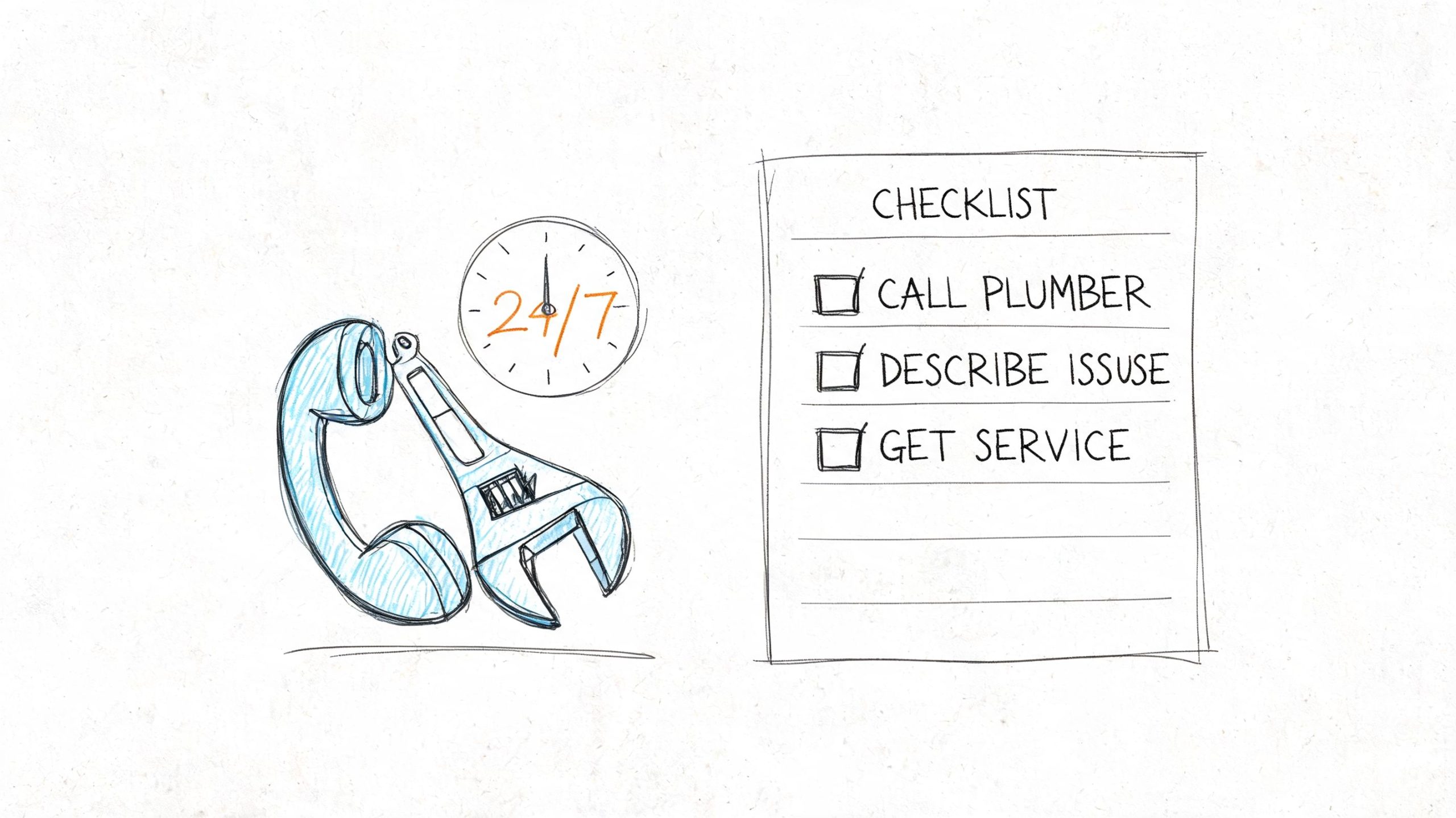
Some noisy-pipe situations can wait for a scheduled visit. Some should move straight to an emergency call.
The line between the two is simple. If the whistle is tied to pressure changes you can’t control, noise inside walls, visible leaking, or other plumbing failures happening at the same time, it’s time to stop troubleshooting and get a licensed plumber involved.
Call now if any of these are happening
Use this as a red-flag checklist:
- The whistle is inside a wall or ceiling: You can’t safely inspect the pipe path without proper tools, and hidden leaks can spread before they’re visible.
- Multiple fixtures whistle at once: That points away from a single faucet and toward a larger pressure or supply-side issue.
- Water pressure suddenly changed: A drop or surge in pressure alongside the noise can signal a failing valve, restriction, or line problem.
- You see water where it shouldn’t be: Wet drywall, cabinet bottoms, flooring, or water in the yard all raise the urgency.
- The whistle comes with other serious symptoms: sewage smell, sewer backup, no hot water, or a clogged toilet that won’t flush.
- You’ve already tried the safe checks and the sound keeps coming back: Recurring noise means the root cause probably wasn’t addressed.
Water hammer is not a guess-and-hope repair
When the whistle comes with abrupt stop-start flow, shaking pipes, or noise during appliance shutoff, water hammer moves up the list. This isn’t the place for trial-and-error hardware swaps.
Complex water hammer-induced whistling requires pressure-spike analysis and correctly sized arrestors, and DIY attempts often fail because undersized arrestors are a common mistake, leading to recurrence in 40% of high-flow homes. Professional diagnosis is important for code-compliant correction, as explained in this water hammer and whistling pipe repair reference.
That’s why an emergency plumber matters. The job may involve dynamic pressure behavior, not just static pressure. A house can seem normal until a fast-closing valve, appliance cycle, or refill sequence triggers the noise and shock.
Field advice: If the sound happens at shutoff, not just during flow, don’t treat it like a simple faucet problem.
What a professional should be able to sort out quickly
A good service call should narrow the issue down to fixture-level, branch-level, or system-level causes. That matters whether you searched for an emergency plumber in Woodstock, 24 hour plumber in Marietta, leak repair in Roswell, water line replacement in Alpharetta, or sewer repair near me after multiple symptoms showed up together.
A licensed plumber should be prepared to assess problems such as:
| Symptom combination | What may need inspection |
|---|---|
| Whistle plus yard saturation | Main water line repair or replacement |
| Whistle plus no hot water | Water heater valves, connections, or replacement needs |
| Whistle plus repeated clogs | Separate drain or sewer issue alongside supply-side problem |
| Whistle plus sewage odor | Sewer line or vent issue requiring immediate review |
If you’re actively comparing local plumbing providers, it can also help to understand how established trade companies present expertise online. This breakdown on how plumbers boost plumbing business online is useful because it shows what serious service companies tend to emphasize: licensing, service area clarity, emergency response, and real problem-solving.
For urgent help, homeowners in Cherokee County, Cobb County, North Fulton, and Forsyth County should use a true emergency plumbing service instead of waiting to see if the sound “goes away on its own.”
Frequently Asked Questions About Noisy Pipes
Is a whistling water pipe always an emergency
No. If the noise is isolated to one faucet or one toilet and there’s no leak, no pressure change, and no water damage, it may be a fixture repair that can wait for normal business hours.
It becomes more urgent when the sound comes from inside walls, happens at several fixtures, or shows up with water in the yard, a sewage smell, visible leaking, or a sudden loss of pressure. Those are the situations where calling after hours makes sense.
What usually affects repair cost
The biggest factors are where the sound starts, how hard it is to access, and whether the fix is local or system-wide. Replacing a worn fill valve or faucet part is very different from diagnosing a failing PRV, securing loose piping, repairing a hidden leak, or addressing a main water line issue.
The price also changes if the whistle is tied to a second problem, such as water heater replacement, sewer repair, sewer replacement, or burst pipe repair. The right way to estimate cost is after the source is confirmed.
Can hard water really cause whistling pipes
Yes. For 85% of U.S. households with hard water, mineral buildup can narrow pipes by up to 50% in 5 to 10 years, causing whistling. A whole-home filtration system such as HALO can reduce these minerals by over 95% and may extend plumbing life by 20% to 30%, according to this hard water and whistling pipes overview.
That’s why some homes keep having the same noise return after minor repairs. The fixture may get cleaned or replaced, but the water quality problem that created the restriction is still there.
Can a water heater make a whistling sound
Yes. Homeowners sometimes describe water heater noises as whistling, squealing, or singing. Sediment, scale, or valve-related issues can all contribute. If the sound seems strongest near the heater, or you’ve also noticed poor hot water performance, it’s worth having the system checked.
That can lead to anything from maintenance to full water heater replacement, depending on condition and age. The key is not assuming every whistle comes from a wall pipe.
Should I try to fix it myself in an older home
Simple observation is smart. Invasive repair is where older homes fight back. Aging shutoff valves, corroded fittings, and mixed materials can turn a basic attempt into a leak repair call fast.
If your home is in an established part of Acworth, Canton, Johns Creek, Marietta, Roswell, or Woodstock, caution is the better approach. Gather good observations, then let a licensed plumber handle pressure diagnosis, valve replacement, or any repair that affects the house piping.
If you’re hearing a whistling water pipe in North Metro Atlanta, JMJ Plumbing can help track down the cause and fix it the right way. The team serves homeowners across Acworth, Alpharetta, Canton, Cumming, Johns Creek, Marietta, Roswell, Woodstock, and surrounding areas with 24/7 emergency plumbing, leak repair, drain cleaning, water heater service, sewer repair, water line repair, and HALO whole-home filtration solutions. When the noise points to high pressure, a failing valve, a hidden leak, or a bigger system problem, JMJ Plumbing gives you a clear diagnosis and a code-compliant repair plan.